The Ringborn
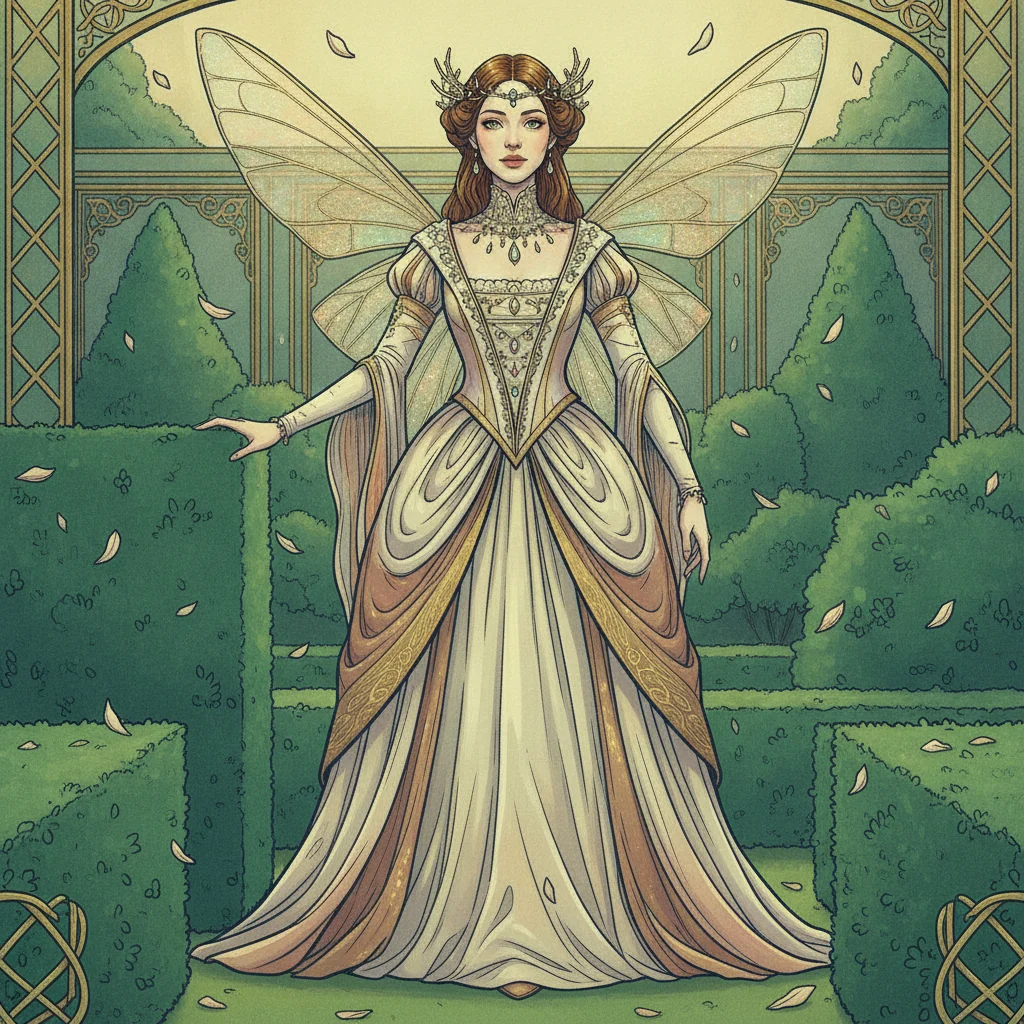
The Ringborn are the Old Houses — the families of the inner Ring, four centuries deep, whose names are the lineage every promising arrival hopes to be adopted into and whose gardens are the standard the whole Kingdom's beauty is measured against. They hold the innermost estates, the oldest precedence, and the best seats at every occasion that matters, and they have not held actual money in living memory.
Land-rich and cash-poor, they are mortgaged in every direction that does not show: to Grismer, to the Winterworks, and — through Spriggan factors nobody admits to receiving — to the Duskmarket in the Twilight Veil. They are also the undisputed masters of the artifact-concealment game at its most refined, which is not a coincidence: a people whose whole estate is appearances gets very good at appearances.
Precedence
Precedence is the Ringborn asset, and it is real. Four centuries of it buys the order of entry at investitures, the right to be received rather than announced, first refusal when a beautiful memoryless arrival needs a house, and — the only currency the Queen is known to spend — a place on her calendar. In a society where being seen is the primary activity, going first is worth more than going rich.
What it costs is everything else. Precedence must be exercised to exist — the garden kept ruinous, the season kept, the wings kept out — and no house can stop spending, because stopping is itself a visible act. So beneath every Old House runs the debt: the entailed estate that cannot be sold, and the contents, which can, and have been. The Duskmarket's connoisseurs hold more Ringborn heirlooms than the Ring does, and the copies standing in for them are of such quality that several houses are no longer certain which of their own possessions are real.
The Chancery of Forms records precedence, which is the polite way of saying the Chancery owns it. Four centuries of rank exists as an entry in the Stacks, and every Ringborn knows — and none says — that the oldest name in the Ring is one clerical correction away from being a new one.
Ways
The Long Fitting. Every Old House keeps a hereditary relationship with a concealer's firm — the tailors, cosmeticians, and Leprechaun prosthetists who fit the artifact of each family member's origin race. The firm's fitting-books go back generations, a Ringborn tells their fitter what they would never tell a spouse, and the firms' discretion is perfect, so far, which is a phrase the Ringborn have started hearing in their sleep.
The Quiet Sale. Nothing is ever sold. Heirlooms are lent for study, at night, to gentlemen from the Twilight Forest, and a copy is standing on the plinth by morning. The fiction is universal, the schedule of what a name, a provenance, and a silence are worth is precise, and the whole trade balances on no one ever saying the word sold aloud.
The Adoption. First refusal on arrivals is the privilege the Old Houses guard hardest, because it is the one that still works: a house four payments behind can yet confer four hundred years of lineage in an afternoon. Whom they choose, and what consideration changes hands for a name — the Ringborn call this charity, and the Verge calls it the one thing they still make.
Relations
The Ringborn regard the Vergers as arrivistes, marry them at a steady and increasing rate, and manage to convey in each announcement that the name is doing the money a kindness. They regard the Errantry — largely their own surplus children — with the fondness owed to a remittance, mock them as rustics at the season, and would starve without the provincial revenues that arrive from them.
To the Queen they are the court itself, and proximity to her is the whole point of the inner Ring. To the Chancery they are entries — senior entries, beautifully maintained. The lesser races serve them, supply them, and hold their paper: the Sylphs staff the houses, the Leprechauns hold the mortgages, and the staff the ledgers do not count tend the gardens the precedence is spent on.
Playing One
- Every door opens, and your creditors know which ones. Your name is worth more than money nearly everywhere, and it is collateral on paper you have never read.
- You were raised inside the deep rules. Precedence, forms, seating, silences — court is a mechanism to you, and you can make it move.
- All your assets are illiquid. Land, name, rank, taste. You can obtain almost anything and pay for almost nothing, and managing that gap is a skill you have had since childhood.
- A starting complication: your house's concealer's firm has been quietly bought — through factors, through the Verge — and six generations of your family's fitting-books, origin races and all, went with it.